This is an old revision of the document!
Aroden
Aroden was born a pure-blooded Azlanti human (Azlanti is literally Atlantis, but more war with the lizardfolk). While other races had their own gods (such as the serpent god Ydersius who was beheaded by an Azlanti hero named Savith, making most racial gods fearful of the Azlanti people), humans had no specifically human god. Amaznen and Acavna looked out for the Azlanti people, but they were the gods of magic and the moon respectively and thus their favor could be lost.
It is important to understand the following. Aroden was born during a time where prophecy was not prediction, but fact. The Aeons largely ruled. All were bound by fate and there was no reason to fight back. Granted, the Azlanti largely ignored this and attempted to change fate, but always failed. (GM's Note: prophecy was very wishy-washy Greek-style prophecy. Think, “if you go to war, a nation will fall” or the wording is so vague that any powerful wizard can fulfill it. This is intentional and since magic is real, fulfilling a prophecy does actually give you incredible power. If a prophecy says a god will rise on X date from Y area, a god WILL rise, but who the god is can vary. But, pre-Aroden's supposed death, the prophecies were more strict).
Aroden was a naturally-born and exceptionally talented creator of magical artifacts. He crafted a sword said so powerful it could slay a god (the Azlanti Diamond). This became his personal weapon when he decided that there was nobody worthy enough to wield the weapon. In the stories, in their rage against his decision, the Alghollthu used their magic to destroy the world. To buy time, Acavna tried to shield the Earth with the Moon (harming herself in the process), but it clearly would fail. Amaznen, moved by the plight of the Azlanti people, sacrificed himself by taking the brunt of the asteroid. During this period, the very concept of magic was destroyed and lost for a long time (until the human Old Mage Jatembe would rediscover it in the Mwangi expanse, with some rumors claiming it was from torturing the severed head of Ydersius, god of the lizardfolk). Special note, it is believed that the largest piece of the asteroid that hit the god of magic is what later became the Starstone.
When Azlanti was destroyed (it's literally Atlantis + destruction of the dinosaurs), he took a group of Azlanti people and escaped from the destruction and fled. Despite no magic working, his powerful magical artifacts (namely the sword he refused to give over, despite a promise to give it to someone worthy), saved their lives many times.
The next period is near completely lost to history. Aroden somehow discovered magic, immortality, and knowledge of all outer planes and teleportation. Some claim he delved into hell and out-smarted devils to gain the knowledge. Others claim he traveled the realms between dreams and nightmares to learn the reality of the universe. “He placed his soul in the very veins of creation!” “He visited Pharasma just to have a knowledge of death!” He also killed a demon lord (not a rumor, he did that). Rumors also spread that he was found in every corner of the planet as some undercover fisherman, farmer, merchant, innkeeper, etc. All stories agree though. If there was a human experience to be had, he experienced it. This was all pre-divinity.
It was during this time, people started to claim that he was a god. And not just any god, but THE god in the ancient prophecy. The prophecy said the Last Azlanti will rise to godhood, reclaim the throne of glass, and create a new Azlanti kingdom. Aroden, nearly 5000 years after he led the people out of Azlanti, Aroden felt a calling to the Starstone. After 5000 years, the god of magic gave him one final gift and he became a god. Given the choice of his domains, he choose to become the God of Humans.

As his first act of godhood, he created the city of Absalom. Soon, it was beset by all sorts of attacks, but he defended each and every one of them.
Skipping as this is getting long (it is a big deal in Pathfinder lore though, hence all the details). The main thing is that about 400 years after the founding of Absalom, Aroden left for the Outer Planes to continue his discovery of new knowledge. But, before he left, a prophecy was uttered that he would come again and bring about a new age, an Age of Glory.
Then, in the year 4606, on the day of the prophecy, festivals were held all around the world for Aroden's return. Then, he didn't appear. More specifically, a gigantic never-ending hurricane appeared off the coast of Mwangi (which flooded that entire area, causing two different empires to be destroyed in the process), all clerics and champions of Aroden lost their abilities, and all divination spells to find Aroden automatically failed. Also, the Aeons caused math to sort of not work for like 2 weeks as they needed to come up with new mathematical models to account for fate not working (aka, the Heisenber uncertainty principle was invented in 4606 AR because a god died in Pathfinder).
And possibly most importantly, prophecies were proven to be something that could fail. If prophecies could fail, perhaps Pharasma could find a way to defeat the Outer Gods. And what others have said, if prophecies can fail, perhaps they can be heavily manipulated.
Absalom
The majority of the important information about the history of Absalom is found in the details about Aroden. Absalom is so important that the founding of Absalom serves as year 1 in Pathfinder year counting. Absalom was founded in 1 AR. Pathfinder 2e Agents of Edgewatch takes place in 4721 AR. So, the ability to overcome fate is extremely new, only 115 years old. Some elves were still alive during the time that fate was destroyed.
The early history of Absalom was one of constant sieges, but growing hope and prosperity.
What is important for this campaign is the two major events.
In 4717 AR, there was the fiendflesh siege. This was an attack by the Dwarven traitor Thurl (cousin of Staunton Vhale, who also betrayed the crusades near the worldwound). It was during this time that the leader of Absalom went missing and Starborn started to rise to power.
In 4719 AR, seeing a weak Absalom, the lich king Tar-Baphon led an army to claim the city as his own. This is why the city has so much necromancy in the precipice quarters. During this defense, Starborn solidified his legitimacy as defender of the city.
The Planar Wars
While Pharasma rules over all and is in a seemingly never-ending fight with those in the DARK TAPESTRY, the lower gods are in a constant struggle between good and evil, between law and chaos. The general rule of thumb is “one tile variance.” Lawful Good gods prefer to work with those close to them in belief (neutral good and lawful neutral, but chaotic good under dire circumstances).
When I ask you about your alignment, in large part, it is not just how your character acts. Instead, I want you to think of who your character feels should win in the planar wars. Advancing their cause on a large scale is what pushes them further in the war.
Also, the realm that you align with is more likely to try and help you out during the campaign. For example, someone who helps the Chaotic Good gods may supernaturally overcome their chains while Lawful Good may receive more healing than normal. If you pick a specific god or pantheon, I'm more likely to give you boons as well as curses. To avoid meta-gaming, boons that are relatively minor (Cayden's avoid hangover is relatively weak compared to Nana Anadi's critical success on deception checks) will happen more often than strong boons (Sarenrae's heal to max health sticks out in particular).
Heaven, Realm of the Lawful Good

Heaven here is not the same as the Christian concept of Heaven. Rather, this is more akin to a medieval understanding of heaven. Society, ordered by goodness and the law. And above all else, a desire to fight and destroy evil wherever it may be or a desire to defend the innocent.
Nirvana, Realm of the Neutral Good
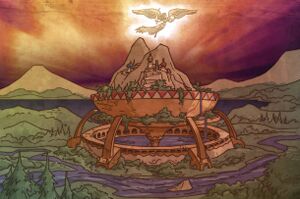
The path of the redeemers. The gods that are Neutral Good are just that, Good. They have a fundamental belief that all can be redeemed. While often accused of pacificism, these gods would prefer terms like long-suffering.
Elysium, Realm of the Chaotic Good
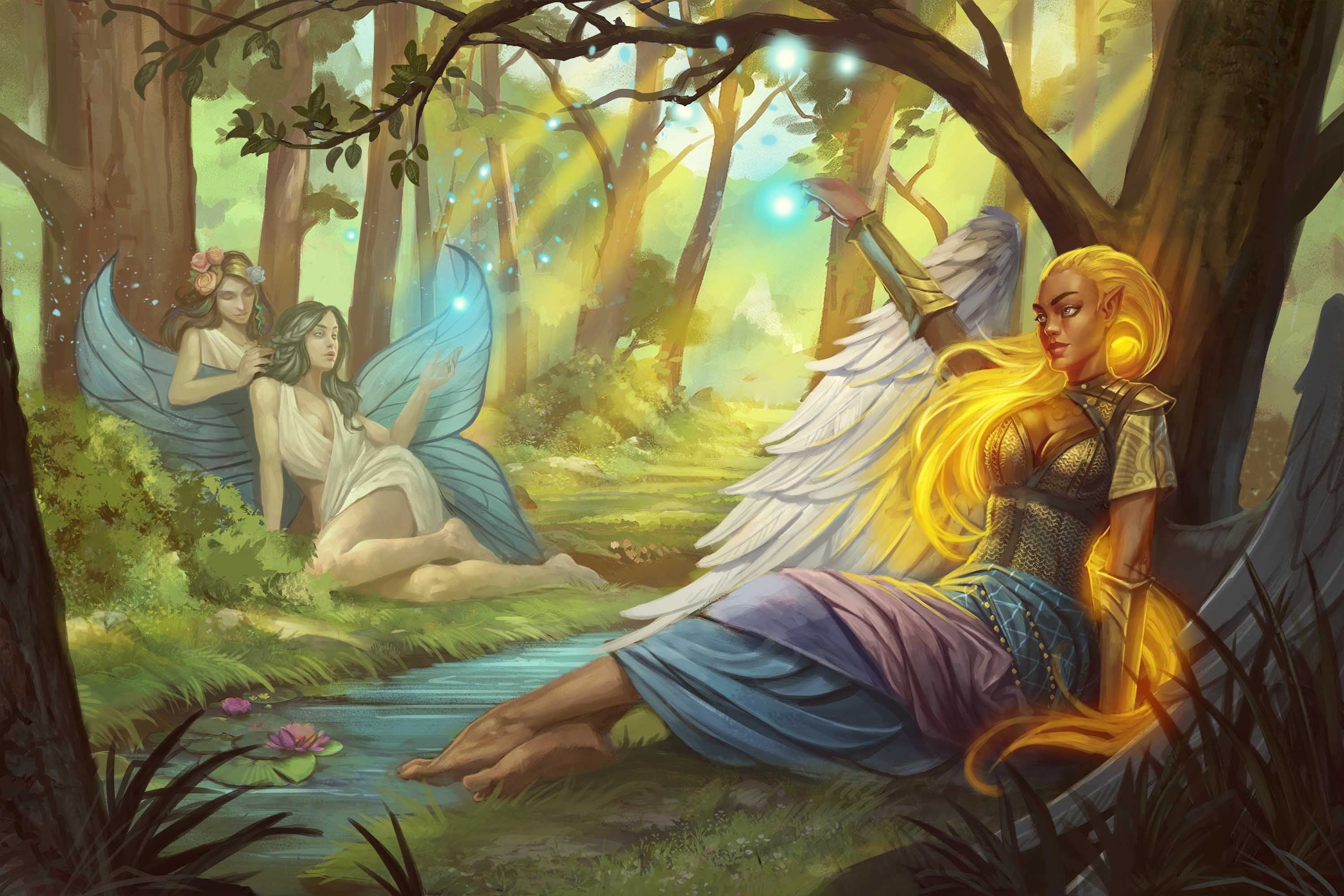
Elysium represents chaotic freedom and individuality. To outsiders, all that is seen is chaos and nonsense. To those inside, it is radical individuality. The freedom to be yourself as well as help others be themselves. Also, hardcore anti-slavers. It is said that a single song by an Azata (angel of Elysium) can bend the rules of reality itself and force open any prison or allow for any escape.
Axis, Realm of the Lawful Neutral
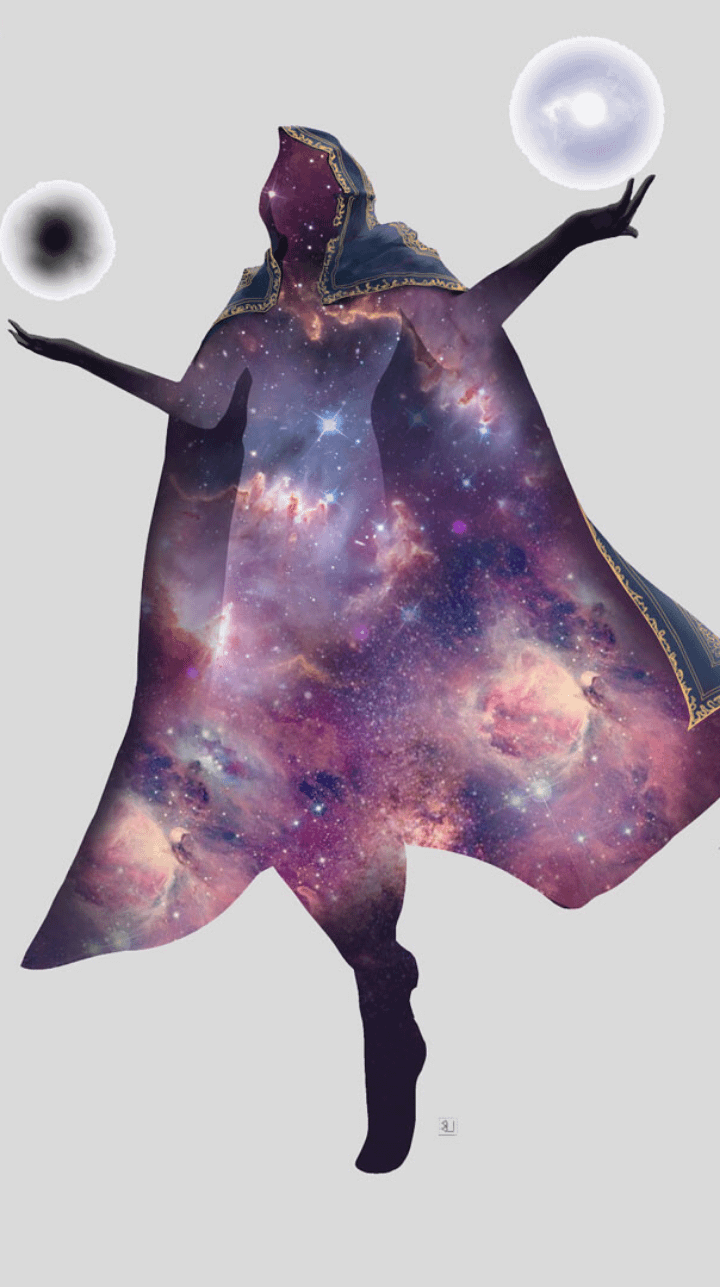
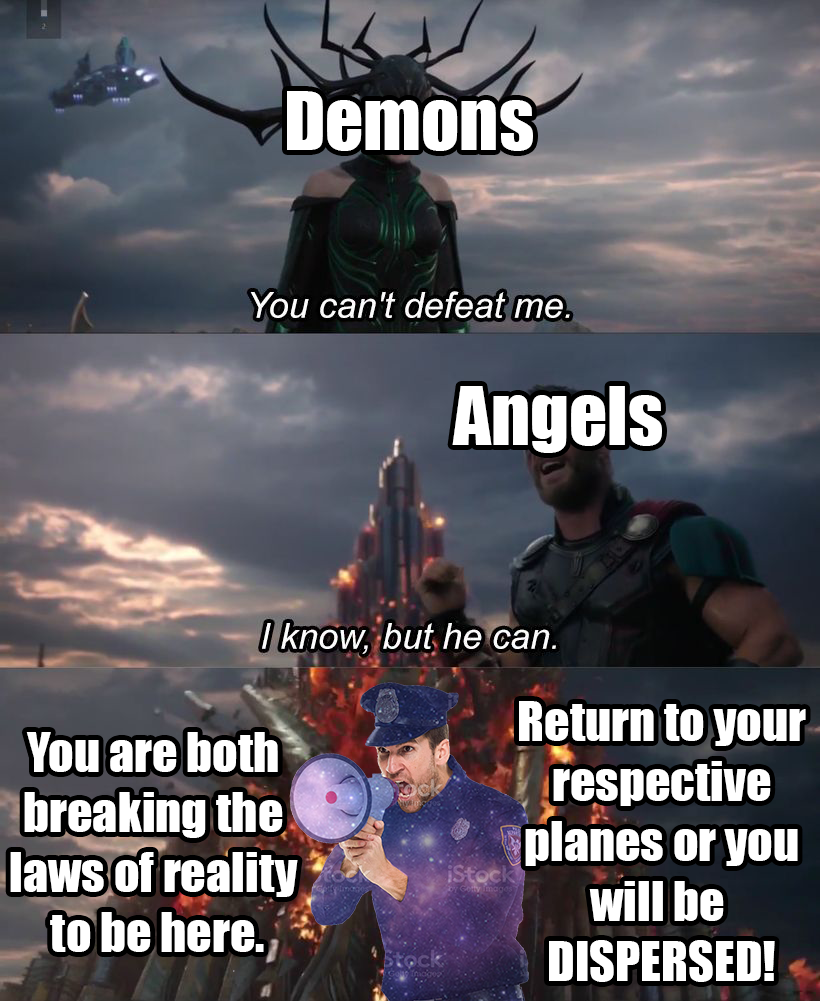
Axis is the realm of math, time, and certainty. The Aeons are math. They are time. They are certainty. They are, rules. There is no redemption to an Aeon. Also, they're time cops. Anytime a wizard messes with the timeline, the Aeons are sent to fix it. Since Aeons are lawful neutral and attempt to hold up the non-interference policy (outer planar beings should not interfere with the mortal plane), any time they appear in the mortal plane it is abundantly obvious as to why. The presence of an aeon means someone or something is attempting to manipulate the laws of physics or manipulating the timeline.
To the other lawful neutral gods, they may focus more on trying to balance the planes and try to force other gods not to interfere in the affairs of mortals and to stick to their own planes.
Also, literally Aeons
Boneyard, Realm of the True Neutral
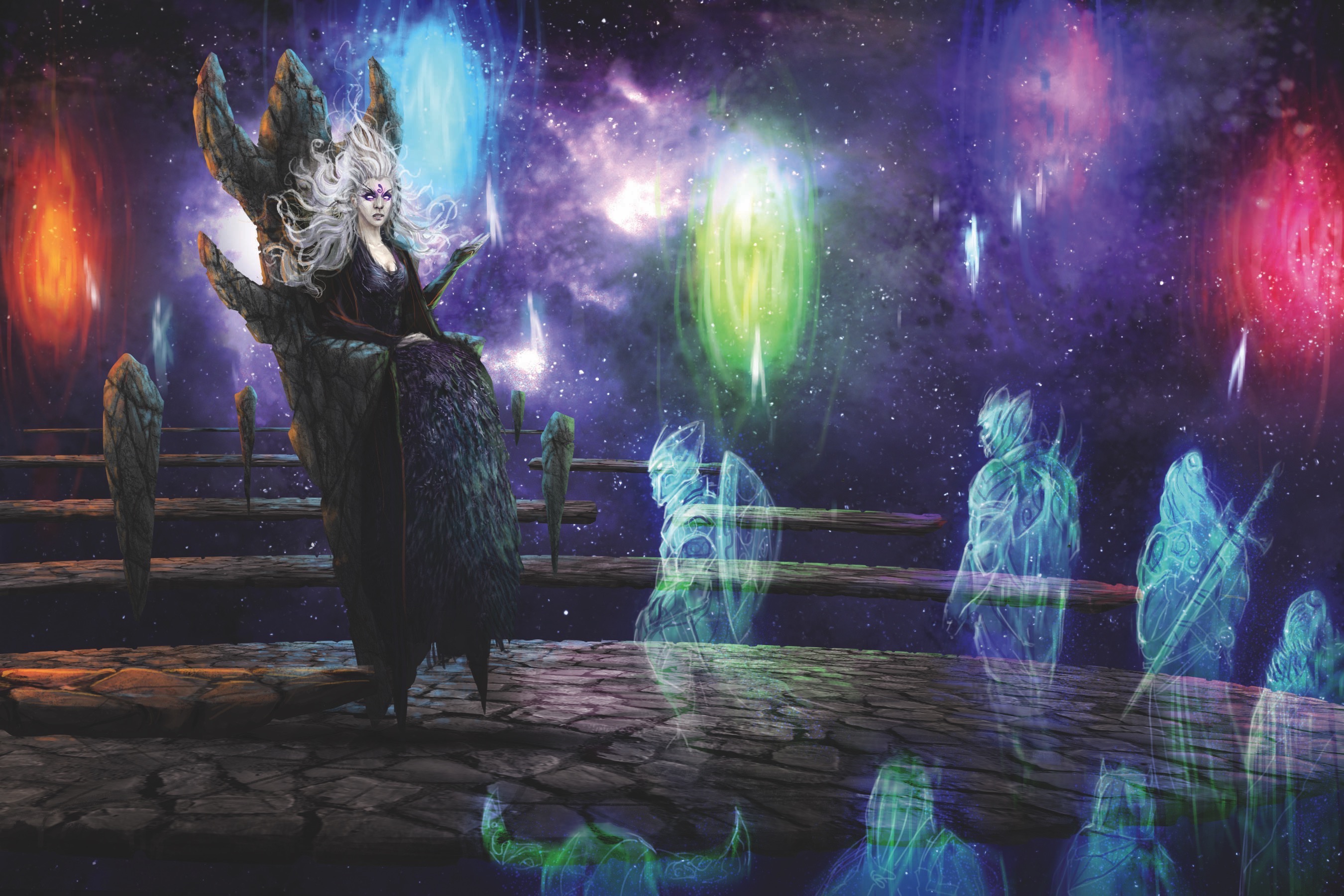
Those that are True Neutral fall into a few camps.
The majority of those that are true neutral will fall into those who largely do not care about the planar wars besides maintaining the status quo. Rather, they are focused on the safe transportation of souls to be judged by Pharasma and thus are extremely anti-undead and any spells that prevent souls from moving on to the River of Souls. These are typically followers of Pharasma.
A mniority of these people are those who believe that one's ultimate goal in life is to develop the self. The wizard studying magic in a tower to master magic. The monk meditating under a waterfall. Hence why I linked the Legend song as this is the rejection of outside interference in one's life and the desire to rely only on one's self. Which, in Pathfinder, also grants great power.
Maelstrom, Realm of the Chaotic Neutral
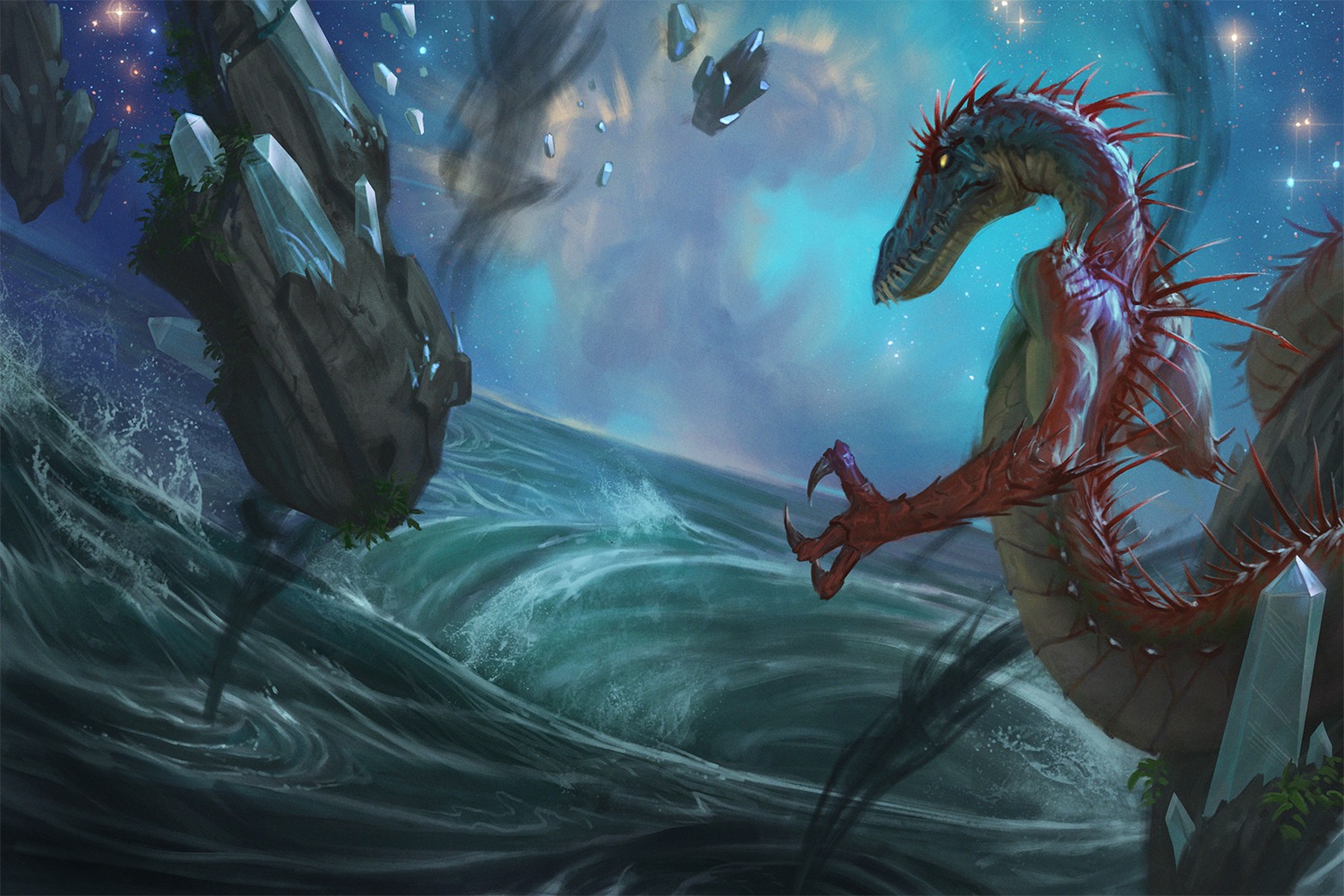
Chaotic Neutral fall into a few camps. The Proteans are nonsense chaos because they existed before the concept of time and order. To them, chaos is the natural state of the universe. There is no end goal because end, the concept of past, present, future, is something Aeons brought to the universe. Cause and effect are against their core beliefs. To them, Chaotic Neutral has no purpose other than chaos.
To those who serve chaos, such as Il'etsya Wyrmtouched, they serve chaos as freedom and an attempt to couteract the influence of the Aeons on the universe. Il'etsya, born a male tiefling and one of the only servants of the unknowable Watching Seven (literally unknowable, they don't have a lore entry I think) with knowledge of her past life, exemplifies this. When she used to be a male tiefling, she knew that the universe had made a mistake. To the Aeons, there is no mistake. You are assigned to fate at birth. She chose to challenge that ruling. By approaching the Lethe Wall, she willingly chose to have her entire existence erased from the timeline and for reality to be re-written so that she was always she. To the Aeons, she is an afront to nature. The wrong answer to a basic math question that shouldn't have even been written. To the Watching Seven, she is what she is, time be damned. Is she good or evil? No. To her, there is but one purpose in life: People should be free to choose good or evil in their own life. Also, drugs. Copious amounts of drugs.
Fun game master note: I love Il'etsya as a character. If she reads like a PC character backstory (I used to be X, but now I'm a level 1 Y), then you're right! This is the personal player character of the author of the lore entries for all this extraplanar lore. The author has fully allowed for GM's to have her be the face of the will of Chaos as, unlike the Proteans and Watching Seven, she still has the lingering sense of past and future, cause and effect, and thus can be somewhat engaged with for the purposes of conversations. Basically, any time the book calls for Chaos, I'll be using Il'etsya instead so you aren't just banging your head against the wall because, well, that's how most conversations with Proteans go.
Hell, Realm of the Lawful Evil

Creatures of hell are generally referred to as devils.
Lawful Evil is straightforward. This is the Christian devil as understood by Faust. Evil. Incredibly evil. But, they can be outwitted. Or, at least, that's what every other poor lost soul thought before being outsmarted into giving up their soul in some sort of bargain. Because of this steadfast adherence to law, Asmodeus (literally a mixture of Cain and Lucifer from Christian belief) is actually relatively permitted in various cities as his followers will only commit acts of evil if they're legal.
Even stranger, Asmodeus is one of the strongest allies of Pharasma as he is explicitly anti Dark Tapestry and is the one who forged the infernal prison that holds back Rovagug, a servant of the Dark Tapestry that is prophesied to eat nearly all of creation into a never-ending black void before it eats itself, leaving only Pharasma alive to restart the universe. If Pharasma is to be believed, she has done this many times (which is why she's so above good versus evil as she has seen all of the gods consumed so many times that she no longer cares about their petty squabbles).
Also, Pathfinder devils
Abbadon, Realm of the Neutral Evil

Creatures of Abbadon are generally referred to as Daemons
The nethermost caverns…are not for the fathoming of eyes that see; for their marvels are strange and terrific. Cursed the ground where dead thoughts live new and oddly bodied, and evil the mind that is held by no head. Wisely did Ibn Schacabac say, that happy is the tomb where no wizard hath lain, and happy the town at night whose wizards are all ashes. For it is of old rumour that the soul of the devil-bought hastes not from his charnel clay, but fats and instructs the very worm that gnaws; till out of corruption horrid life springs, and the dull scavengers of earth wax crafty to vex it and swell monstrous to plague it. Great holes secretly are digged where earth's pores ought to suffice, and things have learnt to walk that ought to crawl. H.P. Lovecraft, the Festival
Neutral Evil worshippers are few and far between but are often the most dangerous of believers. When evidence of gods can be seen at any bar where a cleric of Cayden can drink until sunrise and never experience a hangover, denying the existence of an afterlife makes almost no sense. As such, those who hate the gods and outer planes may seek eternal life through the undeath of lichdom. Or worse, the greatest of all evils, a Worm that Walks. Lichs can be reasoned with and their motives are typically understandable. A Worm that Walks though is frequently just pure hunger. A hunger to eat the universe itself. There is no law nor chaos, only the unending hatred of all life.
If you are wondering why so many gods are anti-undead, this is why. Undead slow down creation. Their very existence means the river of souls slows down and the end of the universe comes closer. Pharasma herself will actually attempt to argue with you after your death to change your mind and choose to go to hell or the abyss instead of nothingness.
GM's Note: I generally use the term Swarm that Walks. Worm that Walks comes from DnD 3.5e and PF1e, but it has expanded to include any swarm of insects. One of the more famous examples, the King of Biting Ants, was the first human to obtain this form of immortality in his quest to eat the very gods themselves, but was stopped by his former friends, the Ten Magic Warriors, and his mentor, Old Mage Jatembe. It's a fun little bit of worldbuilding that Old Mage Jatembe was the first human druid-wizard (he mastered both forms of magic) during an age of darkness and there was this huge battle thousands of years ago that essentially created a small magical nuclear explosion between the first Swarm that Walks and Old Mage Jatembe and his 10 followers (very Jesus and his apostles vs Judas, if Jesus could cast level 11 spells in an attempt to create a magical nuke that still causes people to be born as sorcerers near it after like 10,000 years.

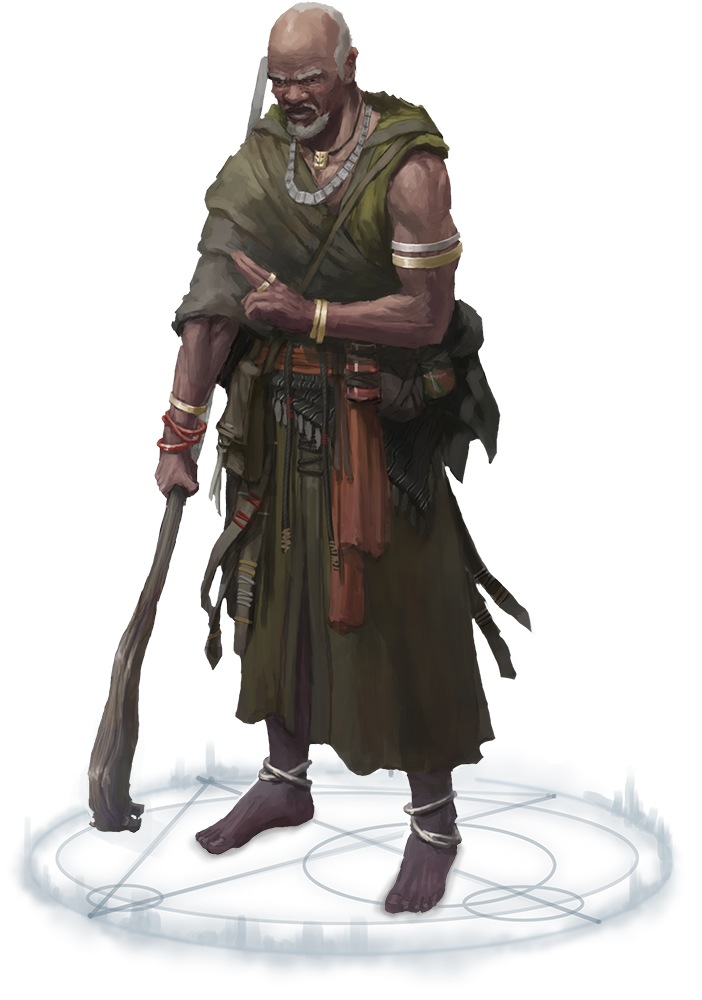
Abyss, Realm of the Chaotic Evil
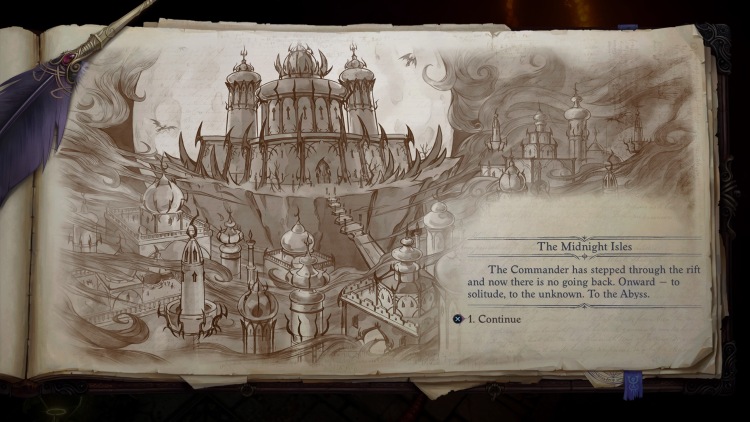
Creatures of the Abyss are generally referred to as Demons.
Chaotic Evil is an enigma, yet easily understood. It is the seven deadly sins. The unchecked base desires that are inside of us all. While a devil may attempt to trick you, they will not technically lie and would never break a contract. A succubus though? They do not obey any such thoughts. Evil for evils sake. Lying for lying's sake. As such, many who worship the chaotic evil gods typically are in it just for the hedonism of it all.
GM's note: This is common knowledge in the Pathfinder world, but all creatures of this Abyysal sin are actually straightforward to defeat as they all take damage when you counter their sin. Denying the lust of a Succubus hurts them. It's about 2d6 mental damage per failed attempt to seduce. Another fun one is the Demon of Treachery has a weakness to telling the Truth. Meaning, if it fails a Zone of Truth spell, it takes damage.

The Dark Tapestry, The Unknown Realm
Little is known about the Dark Tapestry. This is the realm of the outer gods who exist outside of the universe. Those who are Neutral Evil typically directly or indirectly worship these outer gods.
It's Lovecraft. Literally just Lovecraft. Several of them are just knock-off Cthulhu or use books to corrupt and drive people mad, like the King in Yellow.